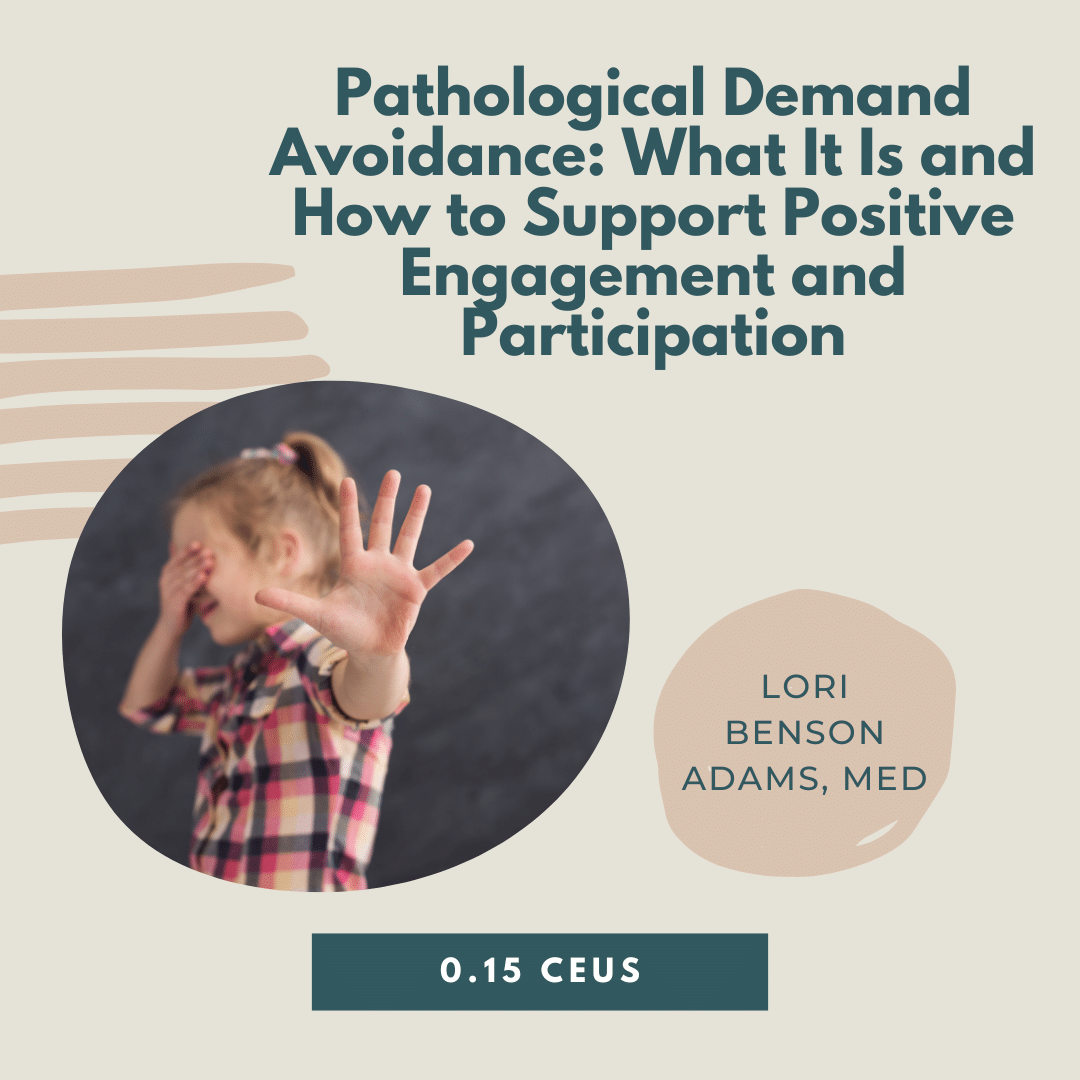
Pathological Demand Avoidance (PDA) is gaining attention, and for good reason. While it can look similar to Oppositional Defiant Disorder, research shows PDA is not about defiance or disobedience, but rather an anxiety-driven need for control. Children and teens with PDA often feel overwhelmed and powerless in their daily lives, leading to avoidant, refusal, or even aggressive behaviors.
Traditional approaches like reward charts, consequences, or even sensory strategies often fall short. This 90-minute webinar helps you reframe PDA behaviors as signs of a stressed, overloaded nervous system, rather than willful misbehavior. You’ll gain a clear understanding of the latest research, a compassionate mindset shift, and practical, effective tools you can start using right away to support kids in distress. Perfect for parents, educators, and therapists who want to move from frustration to connection.
 |
|
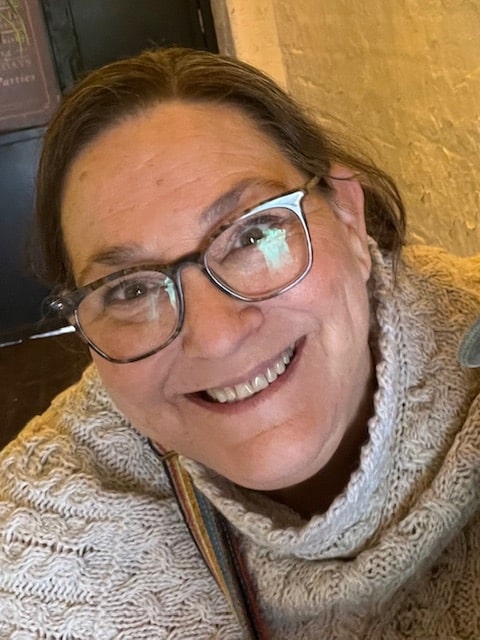
Lori Benson Adams, MEd, is an educational intervention specialist and owner of Breakthrough Learning Solutions. She has over 40 years of experience with students who experience sensory, learning, behavioral, and executive function challenges. In addition to maintaining a private practice, Lori presents nationally to audiences of parents, therapists, and educators. Her years in early intervention and as a special education classroom teacher bring a doable approach to strategies and solutions, and she is known for her immediately practical information and wealth of knowledge and resources. Additional information can be found on her website: Lori Benson Adams, MEd. To view Lori’s courses, check out her product page.