This 2-hour course explores the sensory-motor, oral-motor, and environmental factors influencing early feeding experiences. Designed for pediatric occupational therapists and early intervention providers, it develops foundational knowledge of feeding development and strategies to prevent picky eating. Participants learn evidence-based approaches to promote positive feeding interactions, recognize early signs of feeding challenges, and implement proactive strategies to support infants and toddlers in developing a well-rounded diet. Through case studies, hands-on strategies, and caregiver education techniques, therapists gain the confidence to address feeding concerns before they escalate into restrictive eating behaviors. NOTE: This course is included with the 2025 Summit Early Intervention Summit: Building Strong Foundations.
 |
Sensational Brain LLC is an AOTA Approved Provider of professional development (#8215). PD activity approval ID# 12221. This distance learning, independent activity is offered at 0.2 CEUs, Introductory level, OT Service Delivery. The assignment of AOTA CEUs does not imply endorsement of specific course content, products, or clinical procedures by AOTA or indicate AOTA approval of a certification or other professional recognition. |
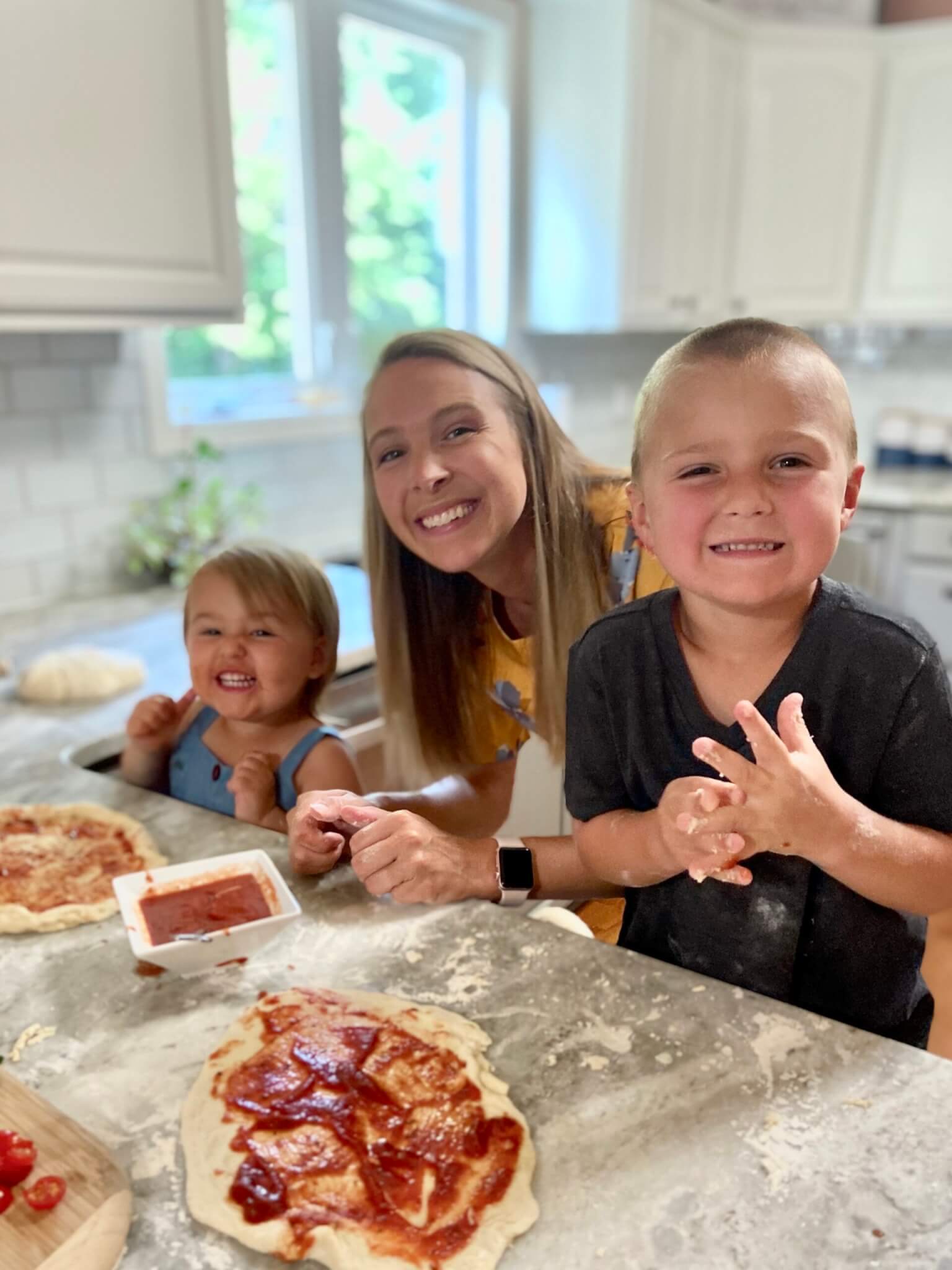
McKenzie Hoffman, MA, CCC-SLP, started her career as a feeding therapist and has been practicing since 2012, working in various settings. She began her career at a pediatric outpatient clinic, where she started a feeding program and built a feeding team. Later, she moved to an outpatient setting in a children’s hospital providing NICU follow-up services for babies and their families. Currently, she works in an inpatient setting at the same hospital working with families in the NICU and with pediatric inpatients. McKenzie strongly believes in collaboration, working alongside PTs and OTs using an early intervention team approach to help resolve feeding issues.
She is a mom of three and runs a small business and Instagram account @playingatyourplate, where she shares tips and ideas that she uses with her children to encourage positive experiences with foods and mealtimes.