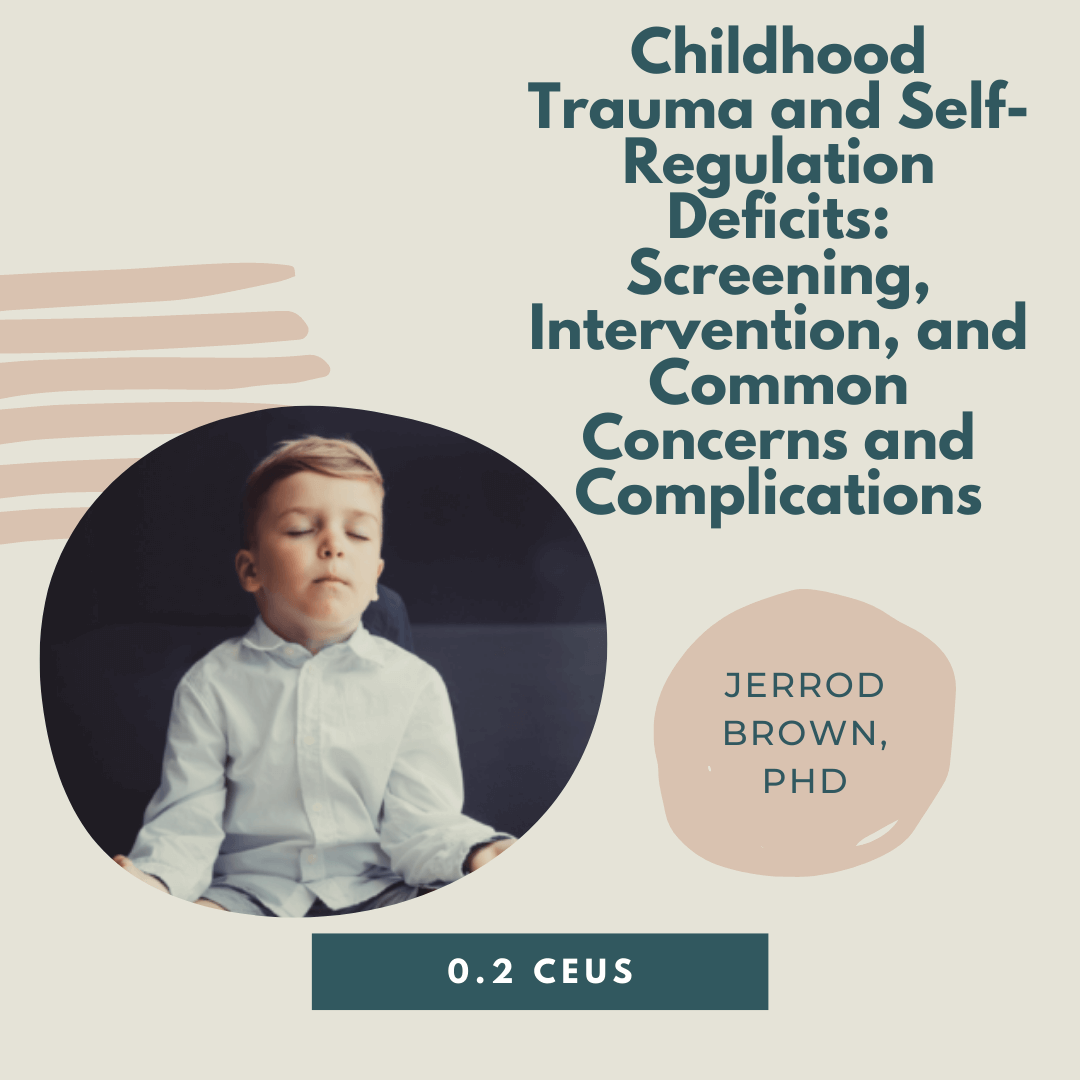
Self-regulation skills are critical to a diverse range of emotional, behavioral, social, and physical health functions. When self-regulation skills are compromised, the likelihood of several short- and long-term outcomes such as problematic behaviors and risky decision making increases. Exposure to childhood trauma impedes self-regulation development and abilities. Designed for professionals, this 2-hour course examines the impacts of toxic stress, adversity, and complex trauma on self-regulation abilities in children and adolescents. The presenter identifies underlying causes and neurobiopsychosocial factors associated with poor self-regulation along with its reciprocal relationship with attachment formation, language development, emotional intelligence, sensory processing, theory of mind, and executive functioning. Self-regulation deficits among children diagnosed with attention-deficit/hyperactivity disorder (ADHD), autism spectrum disorder (ASD), and fetal alcohol spectrum disorder (FASD) are discussed as well as implications for screening and intervention for self-regulation problems. In particular, the presenter identifies ways to address and manage self-regulation problems in younger individuals. Empirically based research findings and case study examples are emphasized throughout.
 |
Sensational Brain LLC is an AOTA Approved Provider of professional development. PD activity ID# 03898. This distance-learning, independent format is offered at 0.2 CEUs, Introductory Level, OT Service Delivery. The assignment of AOTA CEUs does not imply endorsement of specific content, products, or clinical procedures by AOTA. |
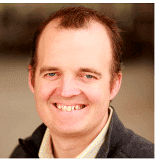
Jerrod Brown, PhD, MA, MS, MS, MS, MS, MS, is a professor, trainer, researcher, and consultant with multiple years of experience teaching collegiate courses. Jerrod is also the founder and CEO of the American Institute for the Advancement of Forensic Studies (AIAFS) and founder and co-editor-in-chief of Forensic Scholars Today. Jerrod has also provided consultation services to a number of caregivers, professionals, and organizations pertaining to topics related to autism spectrum disorder (ASD), fetal alcohol spectrum disorder (FASD), confabulation, suggestibility, trauma and other life adversities, alexithymia, executive dysfunction, criminal recidivism, traumatic brain injury (TBI), and youth firesetting. Jerrod has completed six separate master’s degree programs and holds graduate certificates in Applied Pediatric Nutrition, Medical Biochemistry, Exercise Prescription, Neuroscience and the Law, Neuropsychology, Autism Spectrum Disorder (ASD), Dyslexia, Other Health Disabilities (OHD), and Traumatic-Brain Injuries (TBI). In 2021, Jerrod completed a post-doctoral certificate in Leadership and Organizational Strategy from Walden University and a Professional Certificate in Forensic Psychology from San Diego State University Global Campus. In 2023, Jerrod completed a certificate in diabetes care and education from Central Arizona College. Jerrod has also conducted over 300 workshops, webinars, and on-demand trainings for various organizations and professional and student audiences. Jerrod has published several articles and book chapters, and recently, co-edited the book Forensic Mental Health: A Source Guide for Professionals (Brown & Weinkauf, 2018) with Erv Weinkauf. Jerrod has also been quoted in various magazines, newspapers, and other professional outlets. Jerrod is also regularly featured on several national and international podcast programs.